

Sports nutrition before, during, after (54 products)



-
What is the Maurten Hydrogel technology?
-
Can caffeine boost your sports performances?
-
How does OLEUS work?
-
Which sports nutrition before, during or after a training?
-
How to train your gut for a marathon?
-
Energy gels: which one should I take and when?
-
What are electrolytes and why are they important?


Carboloaden, also known as 'storing carbs', is a way to prepare your body for a long or intense activity by eating more carbs the days before. The goal is to increase the glycogen stored in your body above the normal amount to use as fuel during exercise. That way, you avoid fatigue during your race. We take 10 grams carbs per kilogram of body weigt, 2 days before D-day. That's a lot. To make it easier, you can add a carboloader to your nutrition routine.
Hypotonic sports drinks contain up to 4 grams of carbohydrates per 10ml. This amount is not enough to get energized during long distance performances. These drinks are meant to stay hydrated.
Isotonic sports drinks consist of 4 to 8 grams of carbs per 100ml. Usually that's enough to give your body the energy it needs. At the same time, your body stays hydrated.
Hypertonic sports drinks deliver more than 8 grams of carbohydrates per 100ml. These drinks slow the emptying of the stomach, which especially delays the absorption of water. It's a good alternative to drink as a carboloader before a long activity.
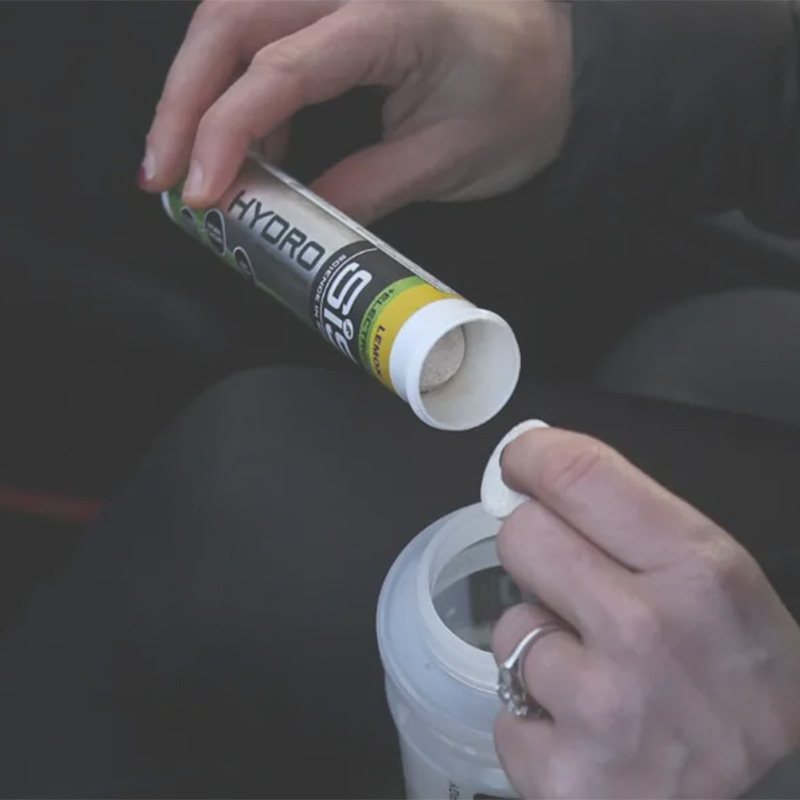
There are different forms of sports nutrition: gels, bars, drink mixes... What works best for you, depends on your activities and your personal perferences.
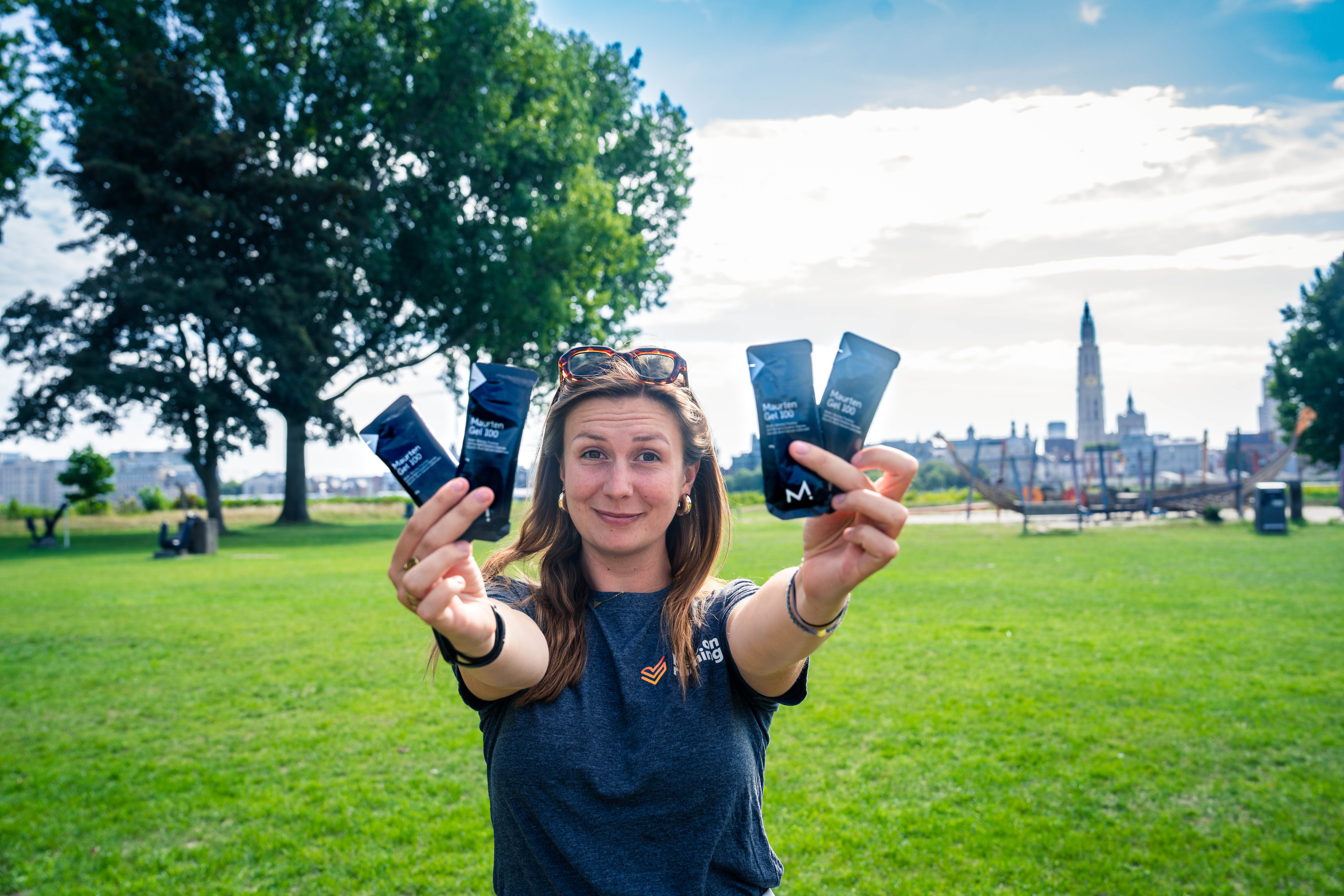
Many runners see gels as an easy source of carbohydrates. One gel provides enough energy to keep you going for a while.
Sports drinks are also an ideal way to refill your energy during activities. The downside is that you need to drink about 500ml to get enough carbohydrates.
Other options include bars, which are mainly consumed while cycling. Solid food is less convenient while running. But of course, everything depends on your own preferences.
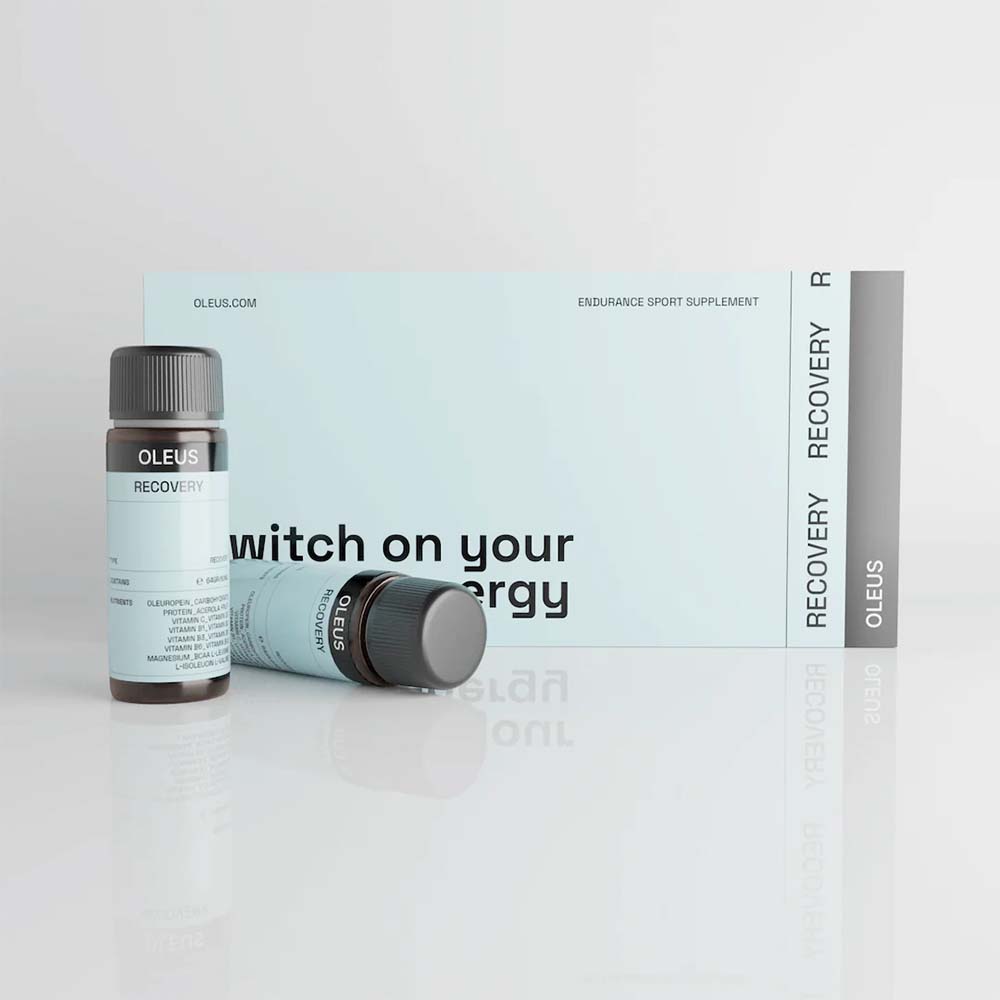
For efferts lasting longer than an hour, your muscles need the chance to recover. Sufficient protein is crucial for this. Recovery shakes are useful for replenishing your protein levels.
When you're going for a one hour jog, it's enough to eat something like a bar beforehand. You'll generally don't need extra nutrition during the run.
If you're going to exercice intensively for 1,5 to 2 hours, the guideline is to consume 30 grams of carbohydrates per hour. This corresponds to about 500ml of isotonic sports drink, a banana, an energy bar, or a gel.
From 3 hours or more, the guideline increases to 90 grams of carbohydrates per hour,although it's important to build this up gradually so your stomach and intestines can tolerate it.
A noticeable difference between gels is their flavor and texture. Those preferences are, of course, personal. But gels can also differ in composition and thus in their effect.
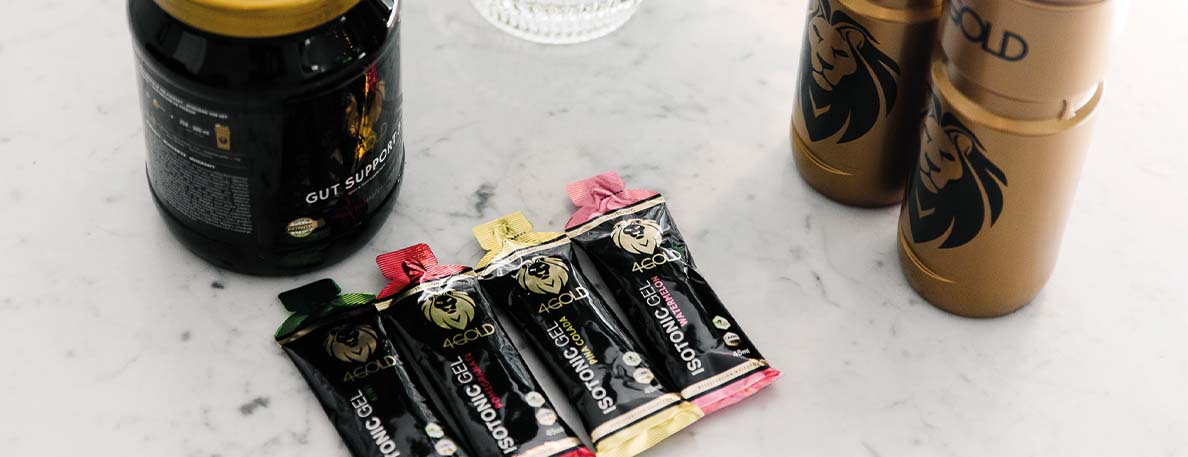
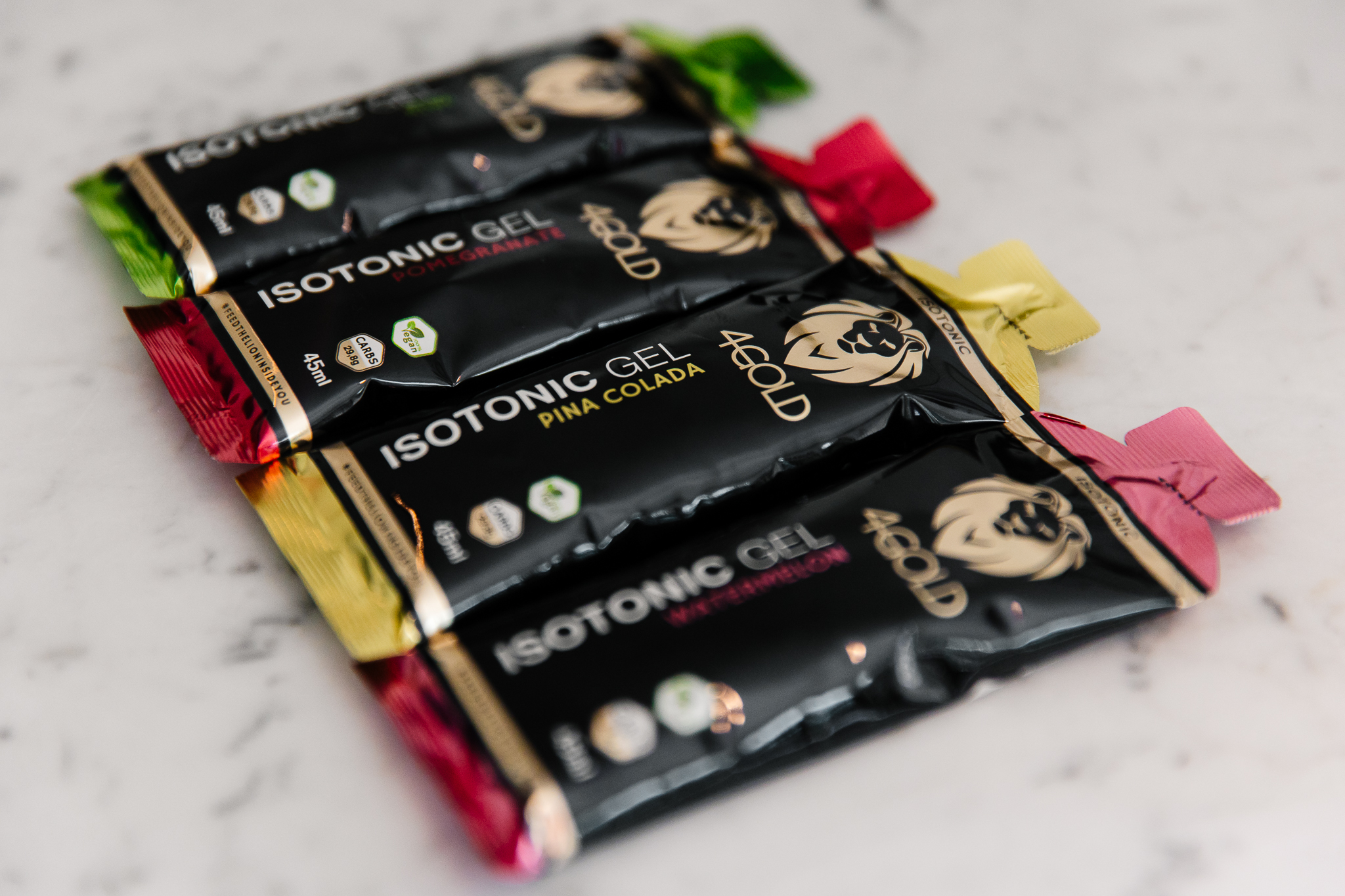
Isogels: water is added to isogels. This makes the substance less thick, which makes it easier to consume. You don't necessarily need to drink water wit hit, because of the fluid consistancy. The carbohydrate content is therefore lower, meaning you'll need to take more of them if you want a higher energy intake.
Energy gels contain less water. This creates a syrupy texture, so it's best to drink some water when taking it. These gels provide more energy per gel compared to an isogel.
Caffeine gels provide a mental boost, which is ideal for long, intense efforts. It's best to save it for the second half of your event so it counters fatigue at the right moment.
Note: because of the differences in composition - between different kinds of gels, but also between brands ) you may tolerate one gel well, while other types or brands cause stomach issue. Therefore, always test your nutrition strategy during training.
Gels are used to quickly replenish energy during long efforts or to provide an energy boost before the start of a fast, intensive race. The big advantage of a gel is its ease of use. One gel generally provides enough energy to keep you going for a while.
Sports nutrition
With the right sports nutrition, you get everything out of your training and races. Especially when you go running for over an hour, you will benefit from that extra energy. But also, after your training session, it doesn't stop: a recovery drink is the best way to recover your body. But what should I eat before, during and after trainings and races?
What to eat before, during, or after running?
Start your race or training with a full tank, by eating enough carbs two hours beforehand. Complex carbs should have enough time to sink in. To add some more energy just before the start, you can take an energy bar, gel or sports drink. Do you have a long, heavy race on the program? Don't forget to carbo-load.
nutrition during running
Are you going for a run longer than one hour? Take some energy with you. A lot of runners opt for the typical energy gels. They are easy to consume during running and deliver enough carbohydrates per gel. Don't you like sticky gels? Than you can go for sports drinks. We distinguish 3 types: hypotonic, isotonic and hypertonic drinks.
The best nutrition after your activities
After a long activity, your body asks for recovery. That starts from the moment you stop running (or sporting). Take that extra amount of proteins within 30 minutes after your race or training. A good example is a recovery shake.
Sports nutrition in the Runners' lab webshop
In the Runners' lab webshop, you order your sports nutrition easily online. Think of gels, bars, or sports drink. To fully recover after a run, we have the recovery shakes. Do you have specific questions about our nutrition and the right use during running? Please contact our Live WhatsApp team or visit one of our Runners' lab stores.