

Running shoes for ladies, men and kids (580 products)



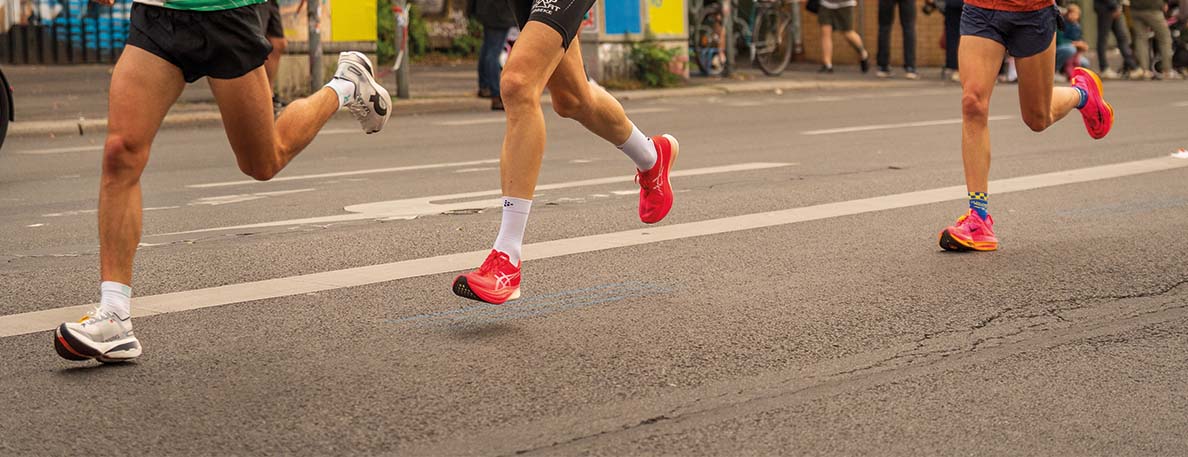
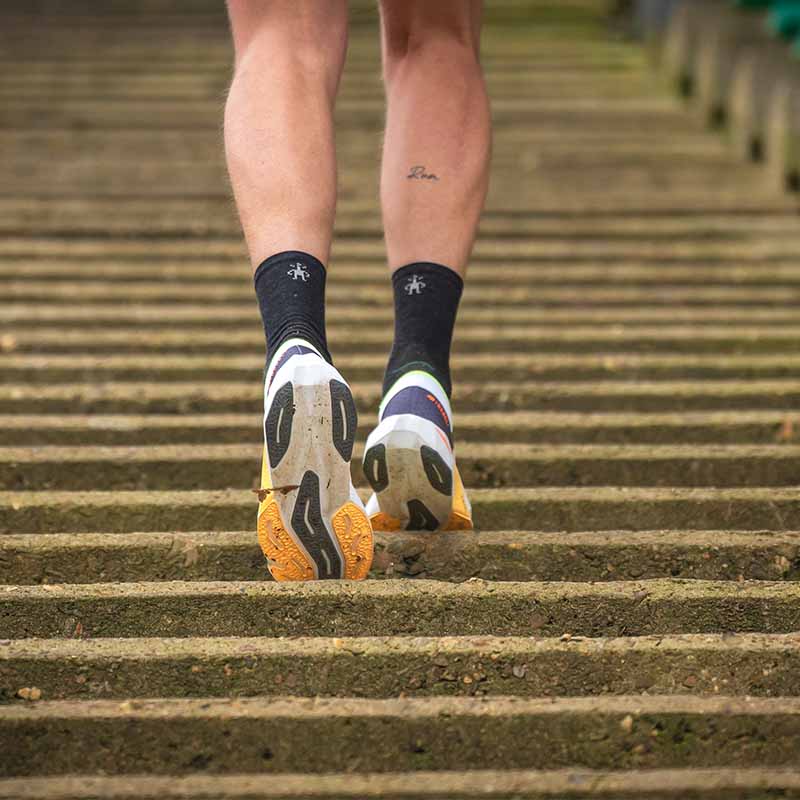
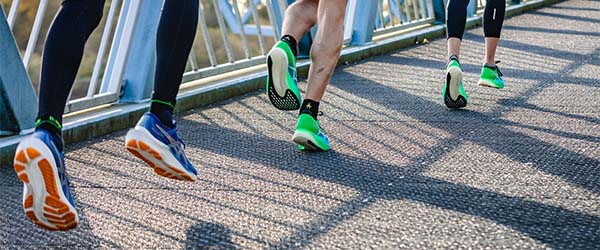


Your ideal running shoes are determined by several factors: the purpose of the shoes, the surface you run on, the width of your feet, your running style and foot posture, and your personal preferences. In our Runners'lab stores, your running pattern is mapped out through a running analysis. This helps our advisors guide you toward the right shoes.
Do you want your running shoes to last longer, you should take care of them. Dirt can cause friction and therefore damage to the upper.
- Brush your shoes with water.
- Don't wash them in the washing machine.
- Avoid warmth sources like the heater. The heat can loosen the glue. A shoe dryer is a good alternative.
Is the upper damaged? In our shoe workshop, we can fix it.
In some cases, we do recommend having a second pair of running shoes. Do you run multiple days in a row? Then alternating pairs is useful. Running shoes also deserve a bit of rest now and then. By giving them enough time to recover, the foam can return to its original shape. That way, you can fully benefit from the shoes' cushioning. It also gives the shoes more time to dry out the sweat.
Do you alternate between different types of training - intervals, easy, runs, tempo sessions? For your own comfort, it's best not to do all of those trainings with the same pair of shoes. An easy run calls for extra comfort and stability, whereas speed or interval training puts speed first.
Good news: not all damage is irreparable. In our Runners' lab webshop, we carry out possible shoe repairs so you can keep running in your shoes for longer. Repairing a tear in the runner, fixing the eyelets, adding leather toe caps, reinforcing the heel material, placing new rubber on the outsole... Bring your shoes to our store so our advisors can determine whether the damage can be repaired.
That depends on the type of running shoe, your weight, your running style, and the surface. We can't give a clear answer, but there are guidelines. Most training shoes last up to about 800 kilometers. After that, they start to lose their cushioning. Racing shoes are a different story. They often need to be replaced after roughly 200 kilometers. This is due to the minimal amount of material used, as the shoe needs to remain as light as possible.
No, not everyone benefits from fast carbon shoes. These shoes use a minimal amount of material to keep them as light as possible. This also means minimal comfort, cushioning, and protection for your feet. Stability is often lacking as well, since adding stability elements to the sole would increase the weight too much. Running too often in carbon shoes can lead to injuries. For your easy runs or slower-paced training, it's best to choose a comfortable training shoe.
Overpronation means that your feet roll excessively inward during your running stride. With a neutral running shoe, you are more likely to experience pain or injuries if you run more frequently or for longer distances. That's why you should choose an anti-pronation running shoe. These shoes have a support element in the sole that counteracts overpronation, keeping your feet in a natural position. To determine your running pattern, you can make an appointment at one of our Runners' lab stores. After a personal analysis, our advisors will know exactly which running shoes you need to run injury-free.
Your ideal running shoes are determined by several factors: the purpose of the shoes, the surface you run on, the width of your feet, your running style and foot posture, and your personal preferences. In our Runners'lab stores, your running pattern is mapped out through a running analysis. This helps our advisors guide you toward the right shoes.
Running shoe with high cushioning
Do you prefer running at a slower and more relaxed pace? Then it's best to make it yourself as comfortable as possible. The right amount of cushioning helps with that. The main guideline is to feel what you find pleasant. Generally, these running shoes are ideal for your longer runs or recovery jogs.
Supportive running shoes
You might have heard of (over)pronation: the degree to which your foot rolls inward. With supportive running shoes, your feet are brought into their natural position during running, helping you to avoid injuries.
Buying running shoes at Runners' lab
Runners' lab offers various models, brands, and categories of running shoes. Depending on your running pattern, you should opt for either a running shoe with high cushioning or a supportive running shoe. We also have trail running shoes and fast competition shoes. If you want to buy the right running shoe for your feet, visit one of our Runners' lab stores. Our advisors are happy to assist you in finding the best running shoes. You can easily make your appointment online. Have you ordered your running shoes online? Make sure to check first if you have the correct size and fit using our handy checklist for online purchases.