

Energy gels: which should you choose and when?
They come in a wide range of flavors, textures, and sizes: energy gels. With or without caffeine, watery or syrupy. This raises the question: which gel should you choose, and when should you take it?
Energy gels for endurance activities
When you exercise, your body uses energy in the form of carbohydrates stored in your muscles. That energy isn't unlimited. During long efforts, these stores are eventually depleted, causing you to hit an energy slump. Unless you keep replenishing carbohydrates along the way. And that's exactly what you should do during a (half) marathon or an ultra. Energy gels are ideal for these endurance activities.
An energy gel is a fast source of carbohydrates and helps you sustain performance over time. It's a concentrated mix of sugars - glucose and fructose - that is quickly absorbed by the body, providing your muscles with fuel. Their biggest advantage is that they're quick to consume and easy to carry.
The different kinds of gels
Broadly speaking, we distinguish three types of gels: isotonic gels, energy gels, and caffeine gels.
- Isogels are diluted with water, which makes their texture thinner and easier to consume. You don't necessarily need to drink with them, although you might need to rinse away the sweet taste). They contain fewer carbohydrates per gel than energy gels, so you'll need to take more to get the same amount of energy.
- Energy gels are thicker and more syrupy than isotonic gels because they contain less added water. It's therefore best to take a sip of water after consuming one.
- Caffeine gels: the caffeine in these gels provides a mental boost, making them ideal for hard and long efforts as it helps delay fatigue. They're best taken in the second half of a race to trigger a final boost. It's important to test these gels beforehand, as the caffeine may cause stomach or gastrointestinal discomfort.
Runners' lab tip:
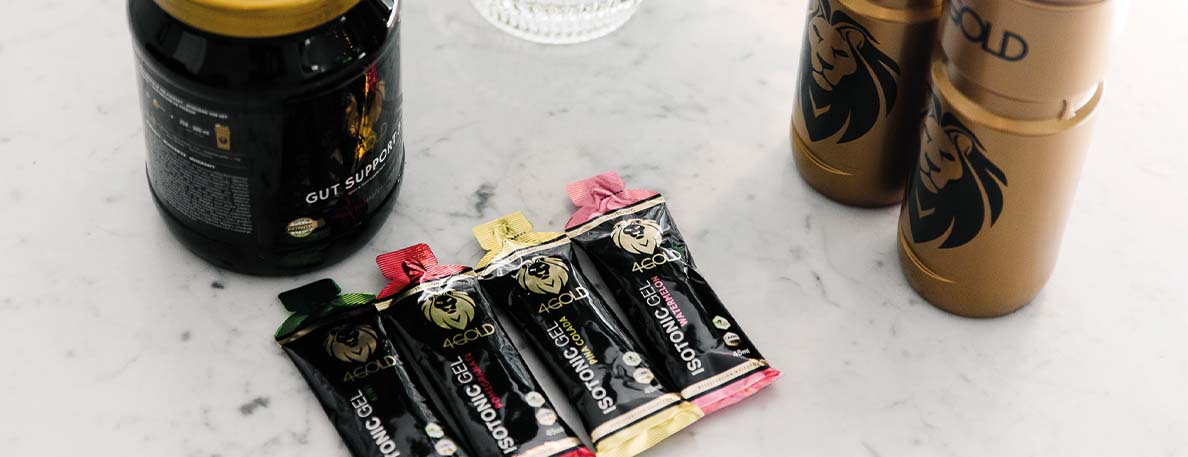
Do you have a sensitive stomach and struggle to tolerate energy gels? If so, gels with a 2:1 glucose:fructose ratio may help. These gels promote more efficient carbohydrate absorption. One example is the 4GOLD Isotonic Gel.
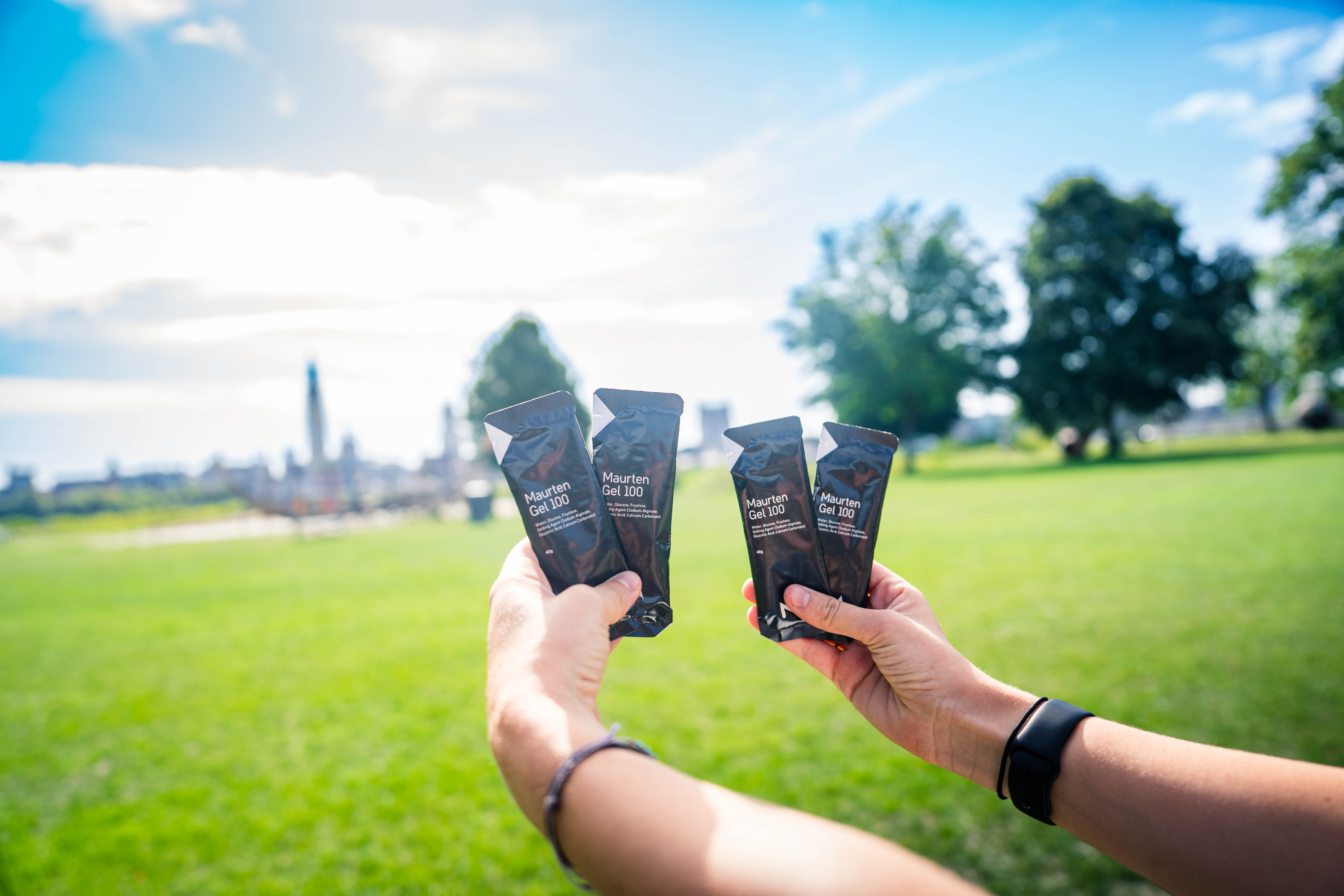
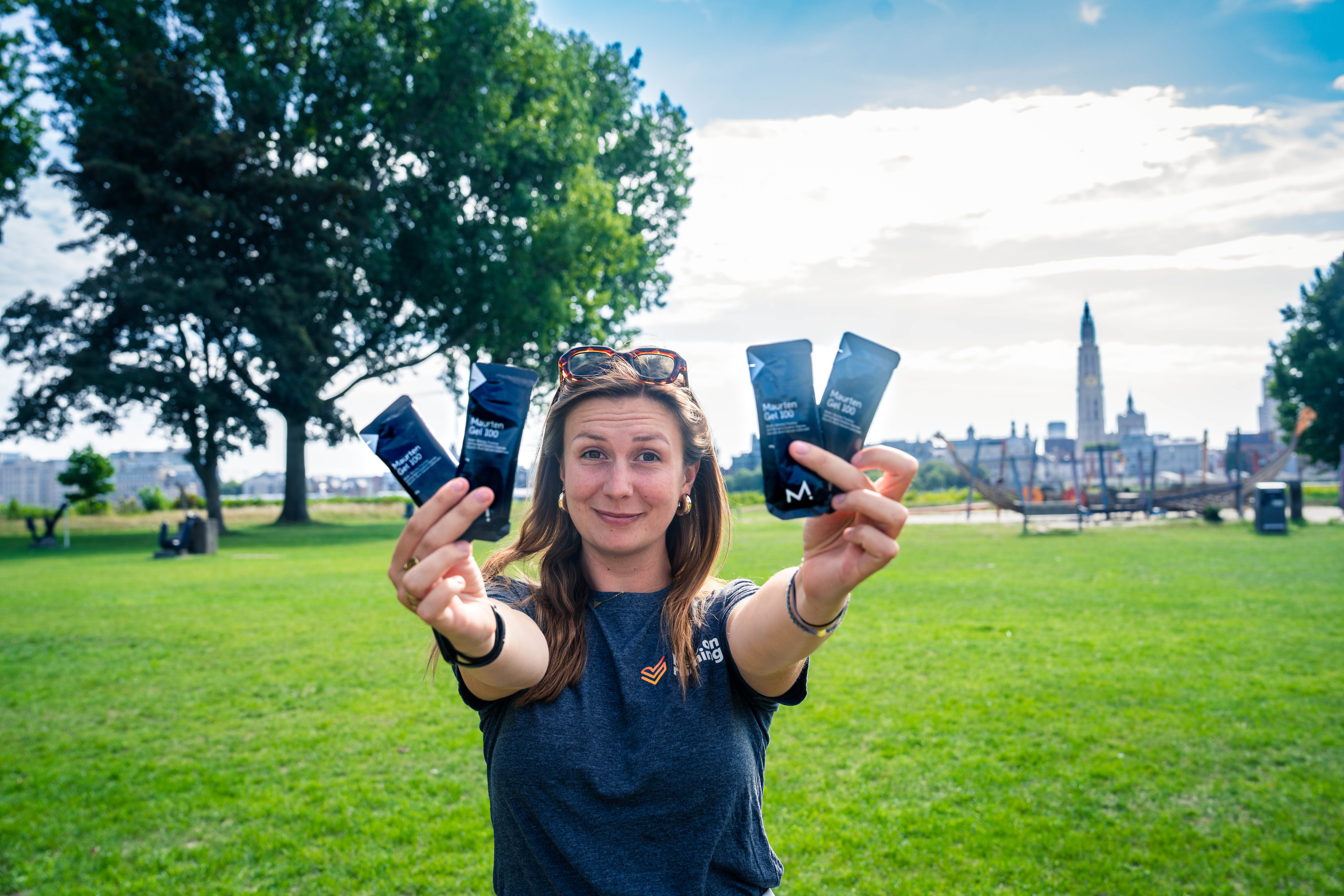
Are you aiming for 90 grams of carbohydrates per hour. Then opt for gels with a 1:0,8 glucose:fructose ratio. The Maurten Gel 100 is one such example.
Alternatives to energy gels
Not everyone enjoys the texture or tast of gels. Fortunatly, there are alteratives.
- Energy drinks are a common alternative to gels. The downside is that you need to drink about 500ml of sports drink to get the equivalent of one gel.
- Chews are soft, chewable sweets that provide a source of carbohydrates. For optimal performance, it's best to consume around 3 to 6 chews per hour. Make sure to drink a good sip of water after it. An example is the Clif Bloks Energy Chew.
- And of course, there are the more traditional options: wine gums, raisins, bananas, M&M's, cola, or other sweat treats. The golden rule here is to test your ultimate energy source during training, not on race day.
In practice: gels during a half or full marathon
- Half marathon: for efforts longer than 90 minutes, the typical target is 30 to 60 grams of carbohydrates per hour. The exact amount depends on your intensity and personal needs. For a half marathon, this usually translates to about 1 to 2 energy gels.
- Full marathon: if you're running longer than 2 hours, it's best to aim for 60 to 90 grams of carbohydrates per hour. A common guideline is to take one gel every 5 kilometers. However, this varies depending on you as a person, your running pace...
I often get stomach pain when taking gels. How can I fix this?
A high concentration of sugars in a small volume can be the cause of stomach discomfort.
- Try a different gel. The composition and sugar concentration can vary between brands.
- Drink water with you energy gels to rinse the flavour and sugar down properly.
- Switch to isotonic gels. These are diluted with water and may be easier on your stomach.
- Be careful with caffeine gels. Caffeine can also contribute to digestive discomfort.
Different gels compared
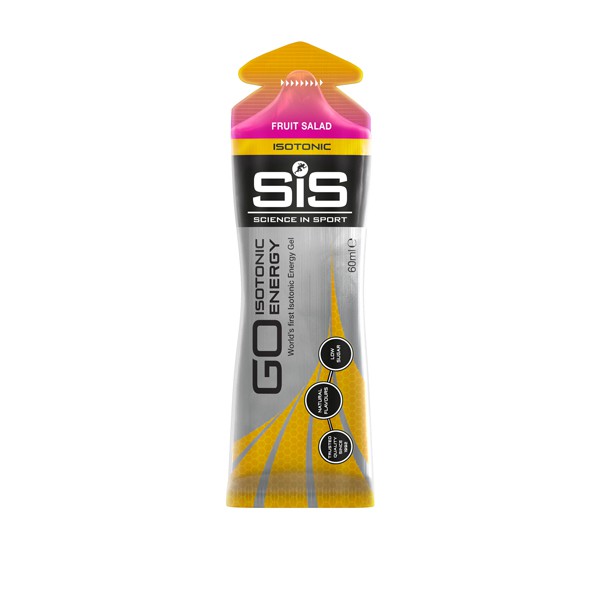
SIS Isotonic Energy Gel
- Ingredients: water, maltodextrine
- 22g carbohydrates per gel
- Ideal for consuming 60g of carbohydrates per hour
- suitable for fructose intolerance
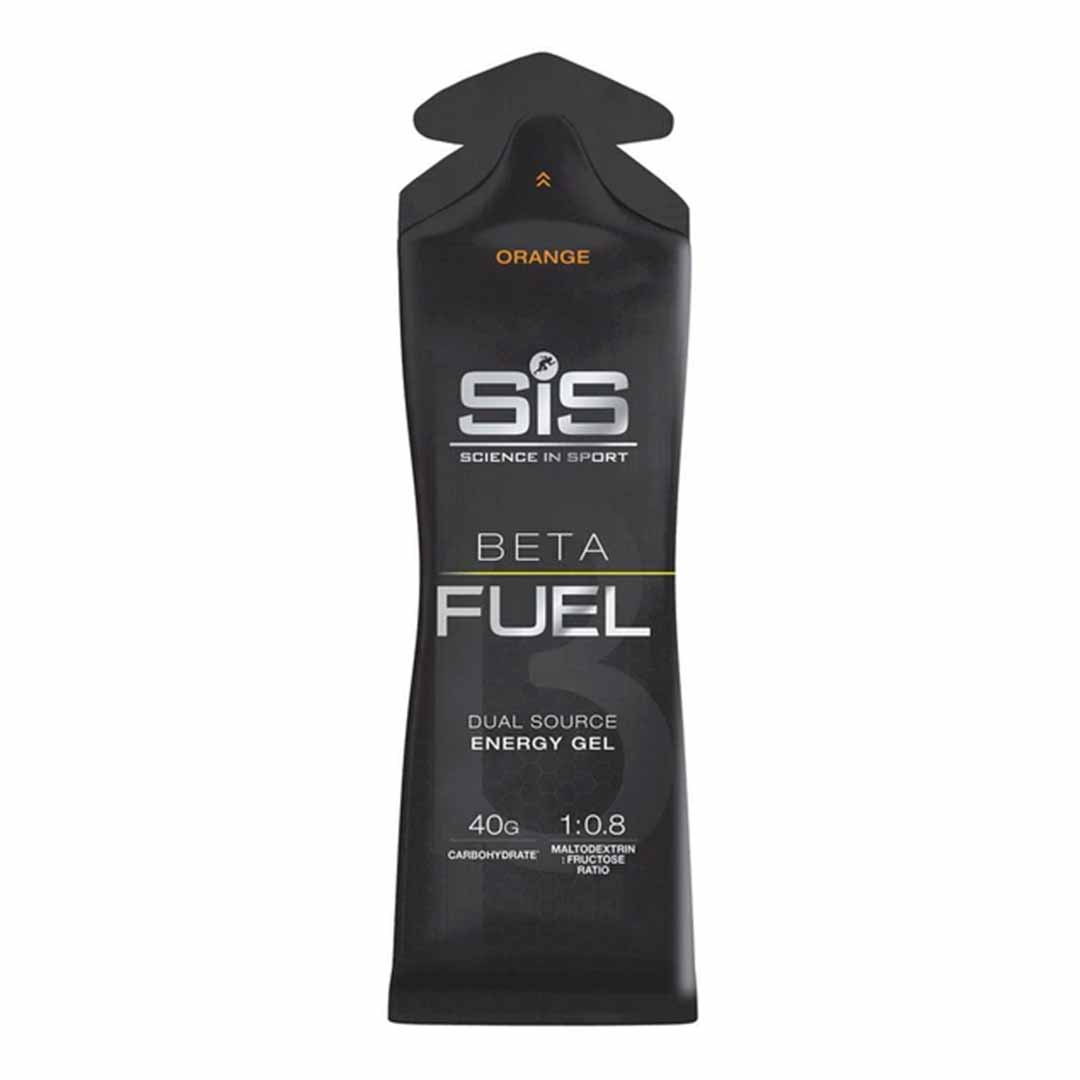
SIS Beta Fuel Gel
- Ingredients: water, maltodextrin, fructose, sodium
- 1:0,8-ratio
- 40g of carbohydrates per gel
- Ideal for consuming 90g of carbohydrates per hour
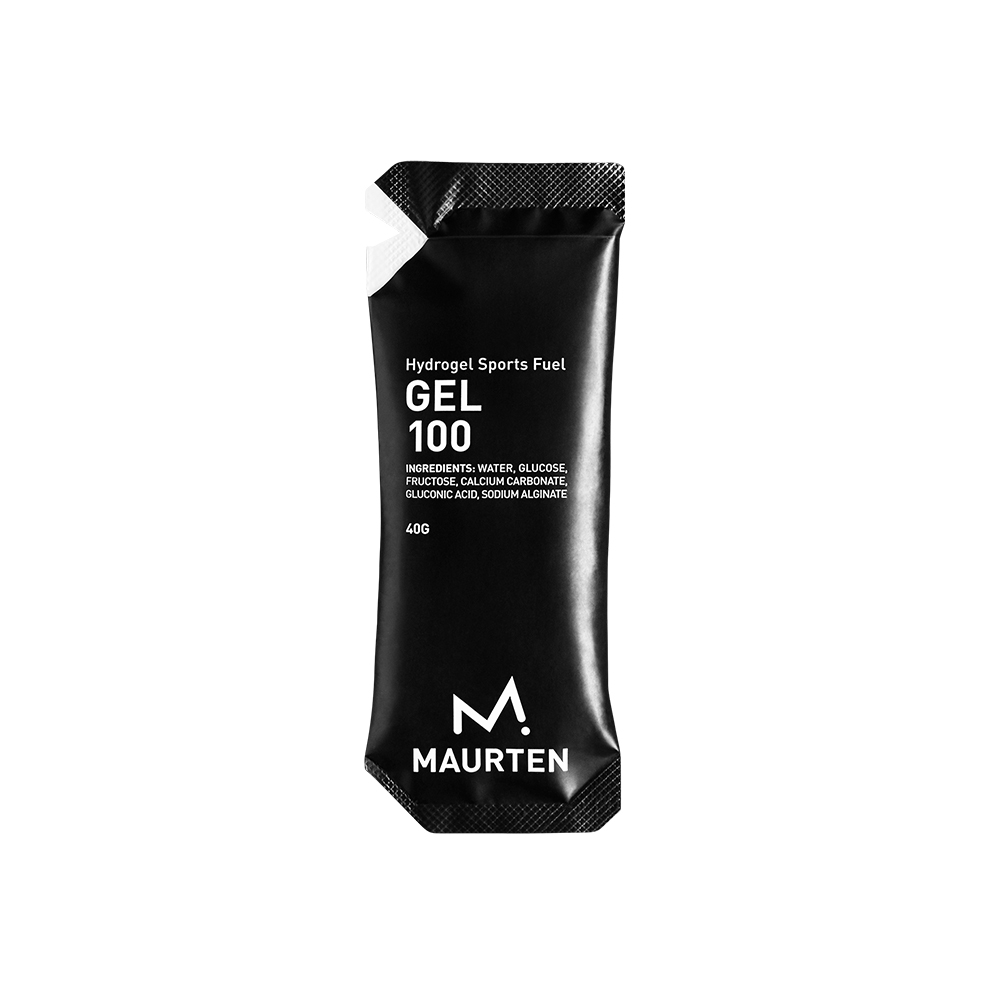
Maurten Gel 100
- Ingredients: water, glucose, fructose, sodium
- 1:0,8-ratio
- 25g of carbohydrates per gel
- Ideal for consuming 60g of carbohydrates per hour
- Neutral flavour
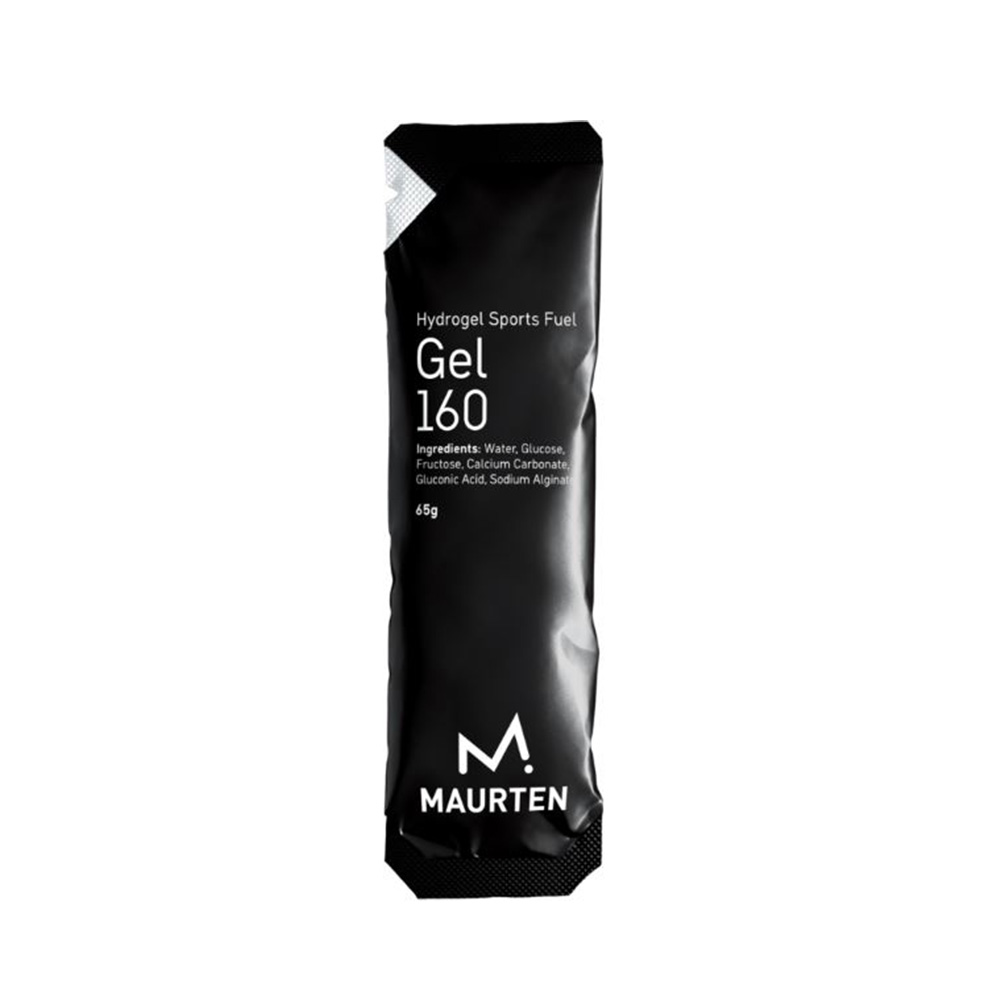
Maurten Gel 160
- Ingredients: water, glucose, fructose, sodium
- 1:0,8-ratio
- 40g of carbohydrates per gel
- Ideal for consuming 90g of carbohydrates per hour
- Neutral flavour
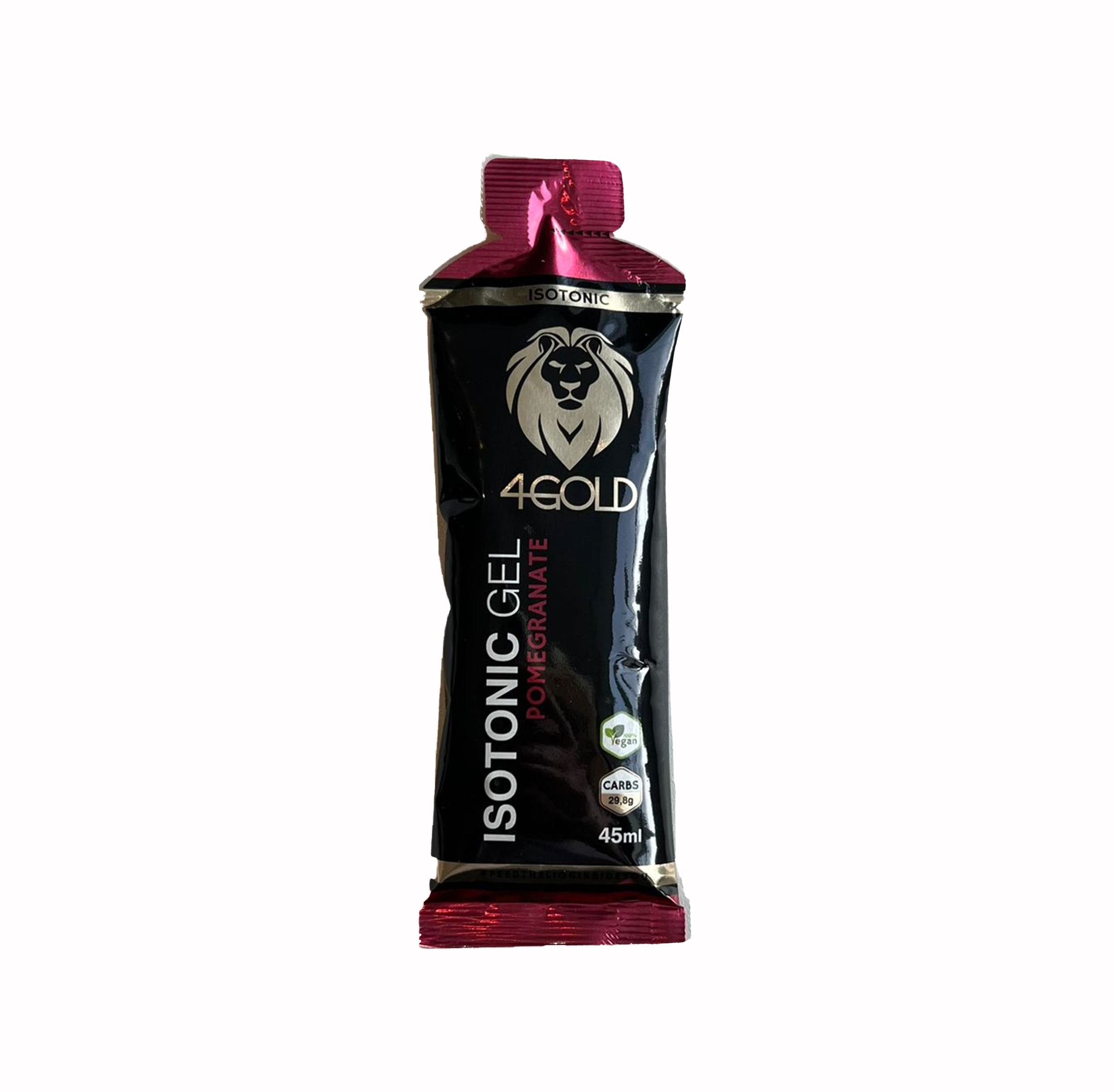
4GOLD Isotonic Gel
- Ingredients: water, maltodextrin, dextrose, fructose
- 2:1-ratio
- 30g of carbohydrates per gel
- Ideaal for consuming 60g of carbohydrates per hour
- With or without 80mg of caffeine
More about nutrition and sports performances
-
Zomer
What is the Maurten Hydrogel technology?
The gels that won't cause stomach issues
-
Marathon
Can caffeine boost your sports performances?
The effect of caffeine
-
sportvoeding
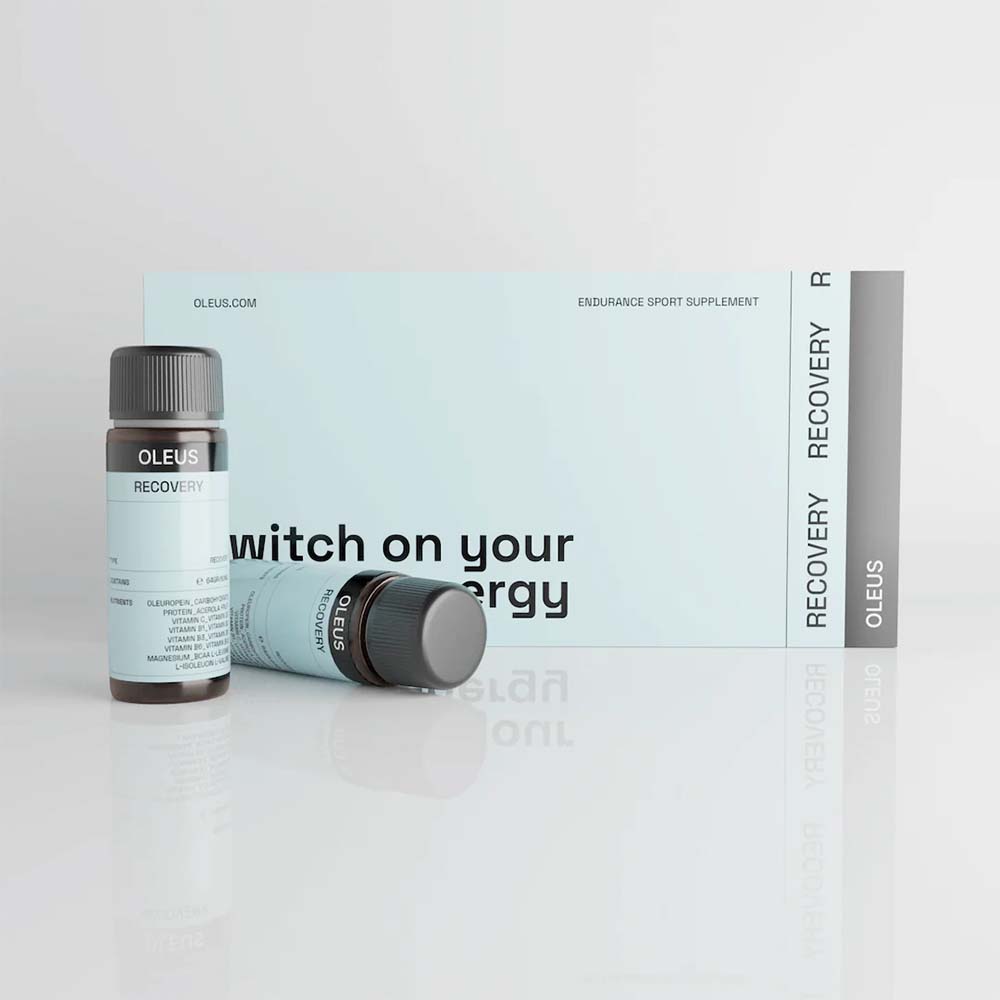
How does OLEUS work?
The sports nutrition that boosts your endurance.
-
sportvoeding
Which sports nutrition before, during or after a training?
Sports nutrition for runners
-
sportvoeding
How to train your gut for a marathon?
Train the gut with sports nutrition dietitian Julie
-
hydratatie
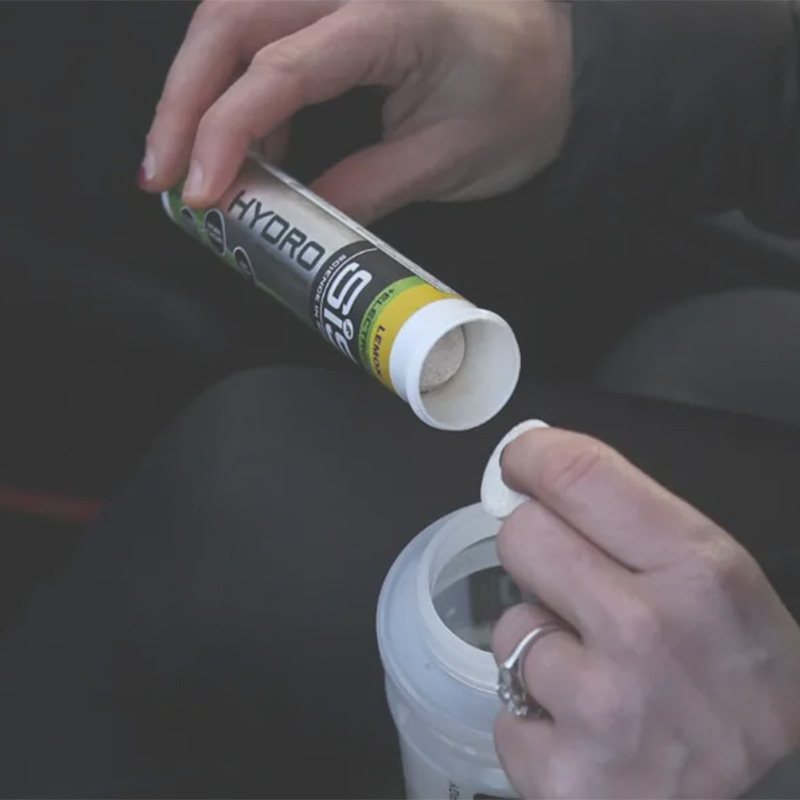
What are electrolytes and why are they important?
Electrolytes during running

Energy gels: which should you choose and when?
They come in a wide range of flavors, textures, and sizes: energy gels. With or without caffeine, watery or syrupy. This raises the question: which gel should you choose, and when should you take it?
Energy gels for endurance activities
When you exercise, your body uses energy in the form of carbohydrates stored in your muscles. That energy isn't unlimited. During long efforts, these stores are eventually depleted, causing you to hit an energy slump. Unless you keep replenishing carbohydrates along the way. And that's exactly what you should do during a (half) marathon or an ultra. Energy gels are ideal for these endurance activities.
An energy gel is a fast source of carbohydrates and helps you sustain performance over time. It's a concentrated mix of sugars - glucose and fructose - that is quickly absorbed by the body, providing your muscles with fuel. Their biggest advantage is that they're quick to consume and easy to carry.
The different kinds of gels
Broadly speaking, we distinguish three types of gels: isotonic gels, energy gels, and caffeine gels.
-
Isogels are diluted with water, which makes their texture thinner and easier to consume. You don't necessarily need to drink with them, although you might need to rinse away the sweet taste). They contain fewer carbohydrates per gel than energy gels, so you'll need to take more to get the same amount of energy.
- Energy gels are thicker and more syrupy than isotonic gels because they contain less added water. It's therefore best to take a sip of water after consuming one.
- Caffeine gels: the caffeine in these gels provides a mental boost, making them ideal for hard and long efforts as it helps delay fatigue. They're best taken in the second half of a race to trigger a final boost. It's important to test these gels beforehand, as the caffeine may cause stomach or gastrointestinal discomfort.
Runners' lab tip:
Do you have a sensitive stomach and struggle to tolerate energy gels? If so, gels with a 2:1 glucose:fructose ratio may help. These gels promote more efficient carbohydrate absorption. One example is the 4GOLD Isotonic Gel.
Are you aiming for 90 grams of carbohydrates per hour. Then opt for gels with a 1:0,8 glucose:fructose ratio. The Maurten Gel 100 is one such example.
Alternatives to energy gels
Not everyone enjoys the texture or tast of gels. Fortunatly, there are alteratives.
- Energy drinks are a common alternative to gels. The downside is that you need to drink about 500ml of sports drink to get the equivalent of one gel.
- Chews are soft, chewable sweets that provide a source of carbohydrates. For optimal performance, it's best to consume around 3 to 6 chews per hour. Make sure to drink a good sip of water after it. An example is the Clif Bloks Energy Chew.
- And of course, there are the more traditional options: wine gums, raisins, bananas, M&M's, cola, or other sweat treats. The golden rule here is to test your ultimate energy source during training, not on race day.
In practice: gels during a half or full marathon
- Half marathon: for efforts longer than 90 minutes, the typical target is 30 to 60 grams of carbohydrates per hour. The exact amount depends on your intensity and personal needs. For a half marathon, this usually translates to about 1 to 2 energy gels.
- Full marathon: if you're running longer than 2 hours, it's best to aim for 60 to 90 grams of carbohydrates per hour. A common guideline is to take one gel every 5 kilometers. However, this varies depending on you as a person, your running pace...
I often get stomach pain when taking gels. How can I fix this?
A high concentration of sugars in a small volume can be the cause of stomach discomfort.
- Try a different gel. The composition and sugar concentration can vary between brands.
- Drink water with you energy gels to rinse the flavour and sugar down properly.
- Switch to isotonic gels. These are diluted with water and may be easier on your stomach.
- Be careful with caffeine gels. Caffeine can also contribute to digestive discomfort.
Different gels compared
SIS Isotonic Energy Gel
- Ingredients: water, maltodextrine
- 22g carbohydrates per gel
- Ideal for consuming 60g of carbohydrates per hour
- suitable for fructose intolerance
SIS Beta Fuel Gel
- Ingredients: water, maltodextrin, fructose, sodium
- 1:0,8-ratio
- 40g of carbohydrates per gel
- Ideal for consuming 90g of carbohydrates per hour
Maurten Gel 100
- Ingredients: water, glucose, fructose, sodium
- 1:0,8-ratio
- 25g of carbohydrates per gel
- Ideal for consuming 60g of carbohydrates per hour
- Neutral flavour
Maurten Gel 160
- Ingredients: water, glucose, fructose, sodium
- 1:0,8-ratio
- 40g of carbohydrates per gel
- Ideal for consuming 90g of carbohydrates per hour
- Neutral flavour
4GOLD Isotonic Gel
- Ingredients: water, maltodextrin, dextrose, fructose
- 2:1-ratio
- 30g of carbohydrates per gel
- Ideaal for consuming 60g of carbohydrates per hour
- With or without 80mg of caffeine
More about nutrition and sports performances
-
Zomer
What is the Maurten Hydrogel technology?
The gels that won't cause stomach issues
-
Marathon
Can caffeine boost your sports performances?
The effect of caffeine
-
sportvoeding
How does OLEUS work?
The sports nutrition that boosts your endurance.
-
sportvoeding
Which sports nutrition before, during or after a training?
Sports nutrition for runners
-
sportvoeding
How to train your gut for a marathon?
Train the gut with sports nutrition dietitian Julie
-
hydratatie
What are electrolytes and why are they important?
Electrolytes during running