How caffeine can boost your sports performances
Fact or fiction: coffee can boost your sports performance. Some are firmly convinced, others think it's nonsense. We can already tell you that caffeine does indeed have an effect.
You're certainly no exception if a cup of coffee is part of your regular morning routine. Coffee can provide a welcome kick-start to your day. That it is the caffeine causing this effect is probably no revolutionary news. But does this substance also have an effect when you consume it just before or during exercise?
The answer is yes. Coffee can indeed boost your sports performances.
What causes the performance-enhancing effect of caffeine?
The effect of caffeine on sports performance has been studied for a long time. These studies have shown that caffeine influences the brain. The structure of caffeine closely resembles that of adenosine - a molecule in our body. Adenosine is responsible for triggering fatigue and the perception of pain by binding to receptors in the brain.
More simple: the more of these molecules are present, the more tired you feel. Because of their structural similarities, caffeine can counteract this. Caffeine reduces the binding of adenosine to brain receptors by binding to these receptors itself. As a result, pain and fatigue are delayed.
Benefits of caffeine during endurance training and explosive efforts
Delaying pain and fatigue is exactly what you want during exercise. The less pain and fatigue you experience, the longer and harder you can push yourself. Taking caffeine before a workout may even reduce muscle soreness the following day.
The performance-enhancing effect is most pronounced in endurance sports, but it's also beneficial for other types of exercise. In explosive (team) sports, for example, caffeine can improve movement speed, reaction time, and alertness.
How much caffeine should I drink, and when?
Some people feel the adrenaline rushing through their body after just one cup of coffee. Others barely notice anything when they consume caffeine. Genetic factors play a major role here, and the magnitude of caffeine's effect varies from person to person.
To achieve the best effect, it's recommended to take 3 to 6 mg of caffeine per kilogram of body weight before exercise. For a 70kg athlete, that amounts to about 200 to 400mg of caffeine, roughly equivalent to one to two espressos. However, not all espressos contain the same amount of caffeine.
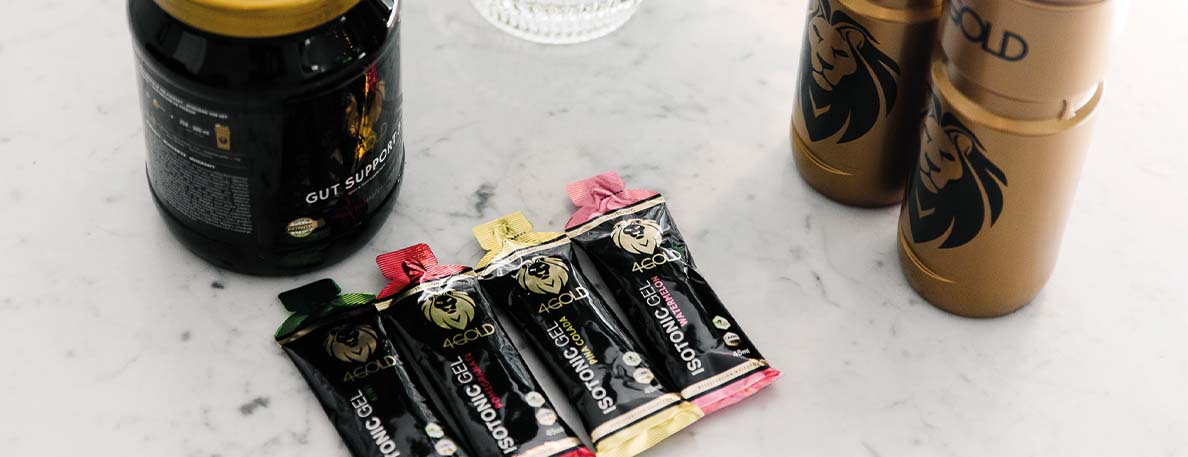
Research shows, however, that many athletes already experience positive effects at a dose of just 50 to 100mg. This dose improves reaction time and mental alertness and is also effective during long endurance efforts. Gels with caffeine often contain this amount, making them a perfect option.
And the exact timing? After drinking a cup of coffee, it takes about 20 to 40 minutes for caffeine levels in the blood to reach their peak. From that point on, the effects can linger for around five hours.
The solution for long efforts: gels with caffeine
Coffee works, but its effect is of course temporary. A cup before you set off helps at the start, but it won't carry you through the entire activity. And for non-coffee drinkers, it's also not an option.
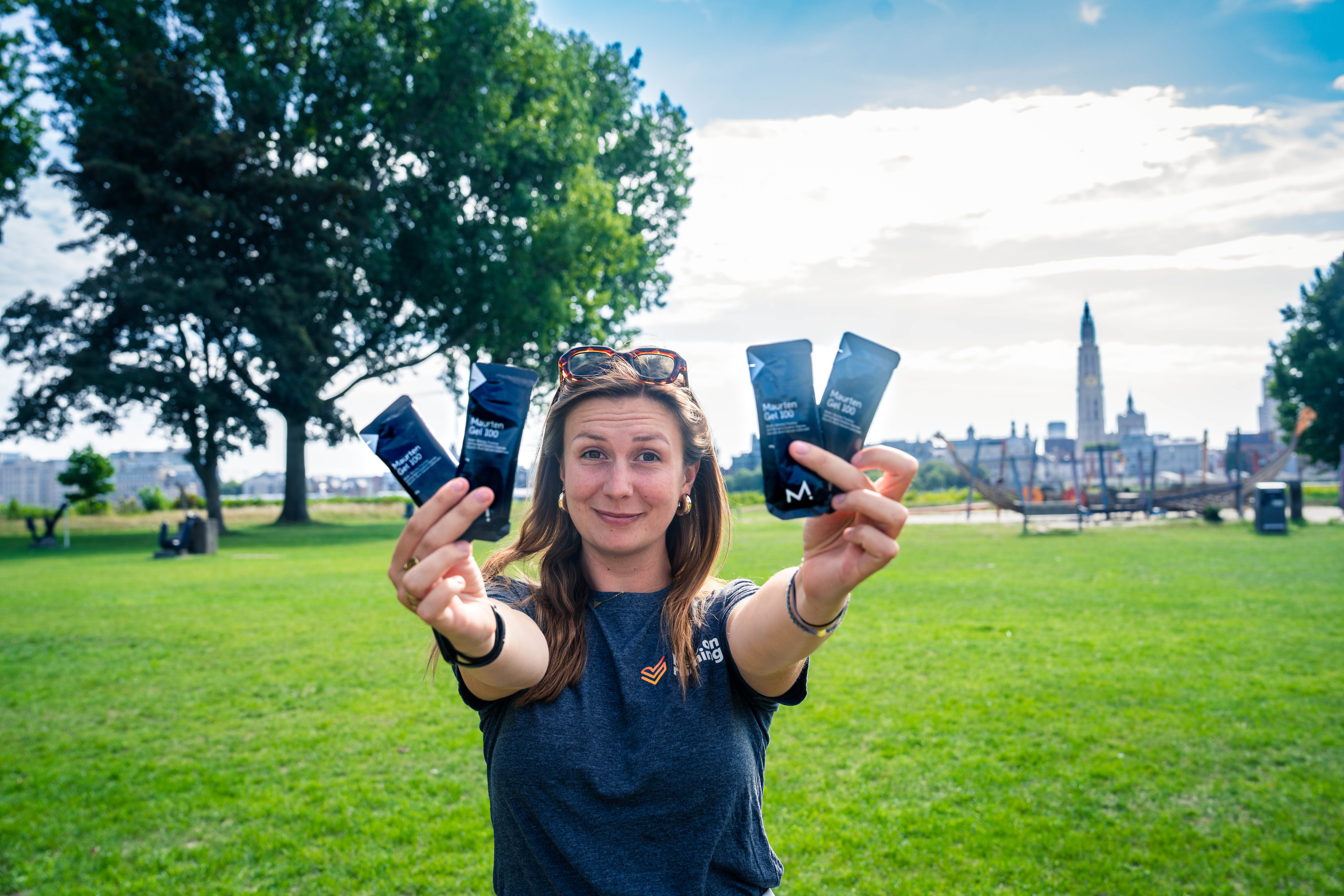
To keep your alertness and endurance high during exercise, you can use gels with caffeine. These are usually taken in the final phase of a race, to give you one last burst of energy all the way to the finish.
"The performance-enhancing effect ismost pronounced in endurance sports,
but it's also beneficial for other types of exercise"
Should I stop drinking coffee in the days before a competition to still benefit from caffeine?
No, you definitely don't need to cut out coffee in the days leading up to an important competition. It's true that habitual coffee drinkers develop some tolerance to caffeine, but certainly not enough to stop experiencing its effect altogether.
Research shows that a performance-enhancing effect is still observed in daily coffee drinkers, and that abstaining in the run-up to a competition can actually be detrimental for them. If caffeine is suddenly removed from your daily diet, it can trigger unpleasant side effects such as headaches and fatigue.
Conclusion: caffeine enhances performances
- Caffeine has a performance-enhancing effect because it delays the perception of pain and fatigue.
- Both endurance athletes and explosive athletes can beneftig trom it, although the effect of caffeine differs from person to person.
- Coffee lovers who drink coffee daily certainly don't need to stop their caffeine intake in the days leading up to a competition.
Runners' lab coffee: the caffeine boost for runners
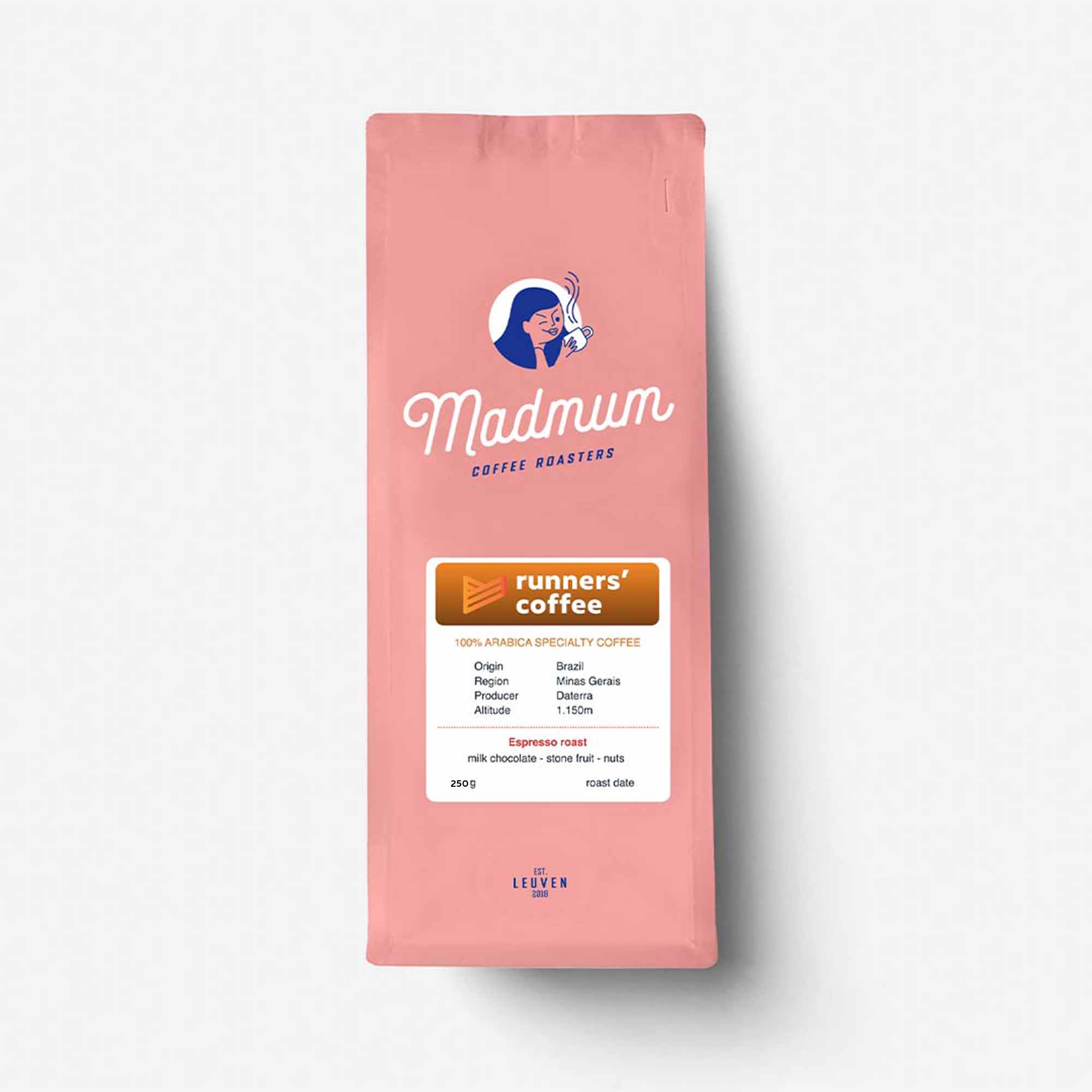
At Runners' lab, we have quite a few passionate coffee drinkers. That's why we launched our own brand: Runners' Coffee, in collaboration with Madmum. The beans are available in our webshop and in the Runners' lab stores.
Fun fact: the beans for this coffee are roasted fairly lightly, which results in a higher amount of caffeine.