
How to use a foam roller?
An optimal muscle recovery after training.
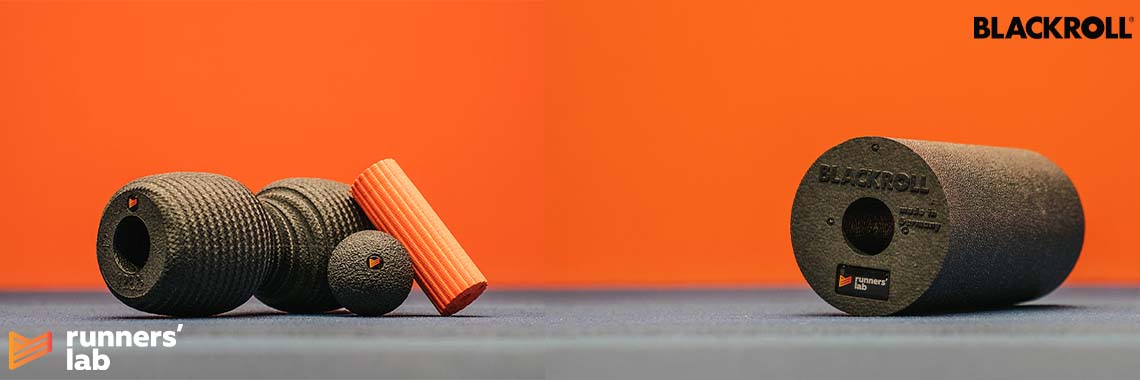
The BLACKROLL® foam roller is a popular tool for athletes, physiotherapists, and fitness enthusiasts. This cylindrical roller is designed to promote muscle recovery, reduce muscle tension, and increase muscle flexibility.
In concrete terms: less stiffness after a workout, a lower risk of injuries, and reduced muscle soreness. If you use it correctly, of course. Below, we take a closer look at how to use a foam roller and its benefits.
What is a foam roller?
A foam roller comes in different sizes and types. It is used to promote myofascial release - a technique aimed at loosening tension in muscles and fascia (connective tissue).
In simple terms: rolling stimulates blood flow and oxygen delivery to your muscles, helping them stay supple for longer. This allows you to recover faster and more effectively.
You can think of a foam roller as a self-massage device made of firm foam. You use your own body weight to massage specific muscle groups, relieving stifness and pain.
Foam rolling is ideal after a long or intense workout, when you feel your muscles have work hard.
The benefits of foam rolling
Foam rolling does indeed offer several benefits.
- Improved muscle recovery. By increasing blood circulation, a foam roller helps remove waste products such as lactic acid more quickly. This reduces muscle soreness.
- Increased muscle flexibility. Regular foam rolling improves muscle flexibility, which in turn helps prevent injuries.
- Reduced muscle tension. A foam roller loosens tight muscles and knots, allowing you to experience less pain and discomfort.
- Improved posture. By relieving tension in your muscles, foam rolling can contribute to better overall posture.
How to use a foam roller?
To get the best results from a foam roller, it's important to use it correctly. How do you get started?
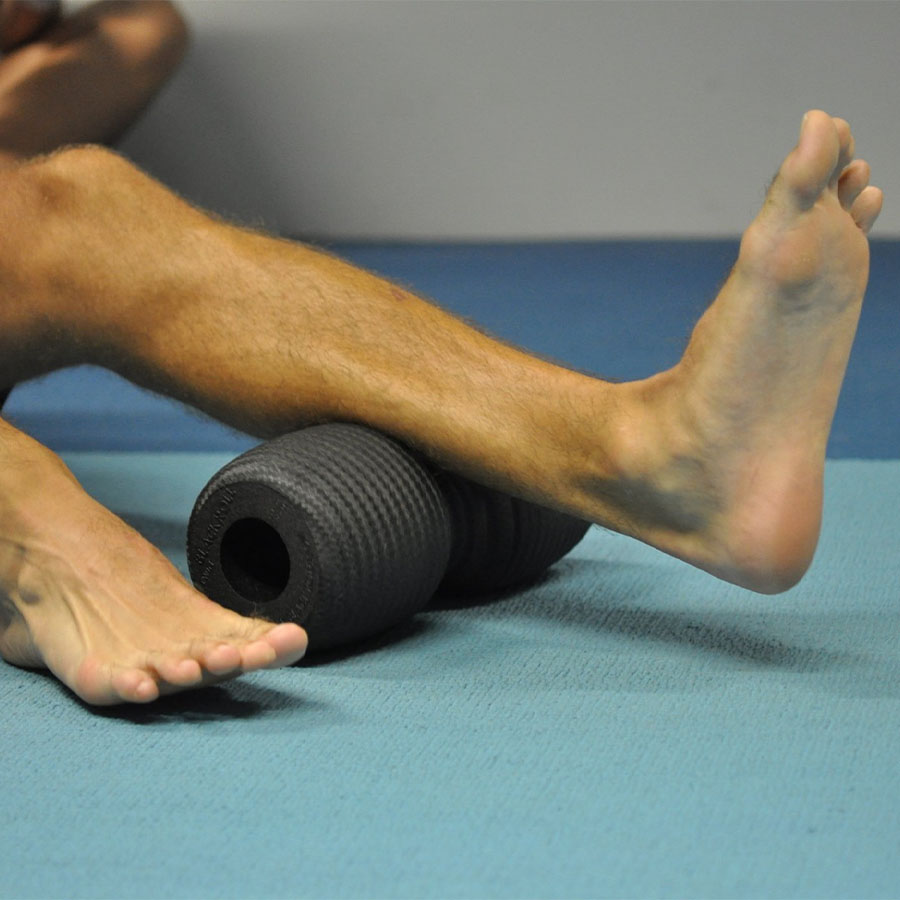
- Identify the target area. Which part of your body needs the massage? Common zones are the calves, thighs, back, shoulders, or hamstrings.
- Place the foam roller right. Put the foam roller on the ground and position your body on top of it.
- Roll slowly. Use your body weight to move over the foam roller. Roll slowly back and forth over the muscle group and focus on any tender spots. Those are often the areas where you feel the most tension or discomfort.
- Keep breathing. Make sure to breath deeply and steadily while rolling. This helps your muscles relax more effectively.
- Take short pauses. If you find a particularly painful spot, hold pressure on it for 20 to 30 seconds to release the tension. A good rule to ensure you're not applying too much pressure: aim for a pain level of about 6 on a scale of 10. "The harder, the better" definitely does not apply here.
- Roll long and often enough. It's recommended to roll each muscle group for about 1 to 2 minutes, 3 to 4 times a week. Of course, this depends on your training level, training intesnity, and individual needs.
Tips for right foam rolling
As with many things, it's beneficial to build up slowly and gradually.
- Start gently. If you're new to foam rolling, begin with short sessions and light pressure to allow your muscles to get used to it.
- Avoid bones and joints. Focus on soft tissues and avoid rolling directly over bones and joints to prevent injuries.
- Use the correct technique. Roll slowly and with control, and avoid jerky movements.
Will foam rolling benefit me?
A foam roller like the one from Blackroll is a powerful tool for anyone who wants to optimize muscle recovery, improve muscle flexibility, or reduce muscle tension.
We mainly recommend Blackroll foam rollers for runners with a high training load, those who quickly suffer from stiff muscles, or those prone to injuries. But people with physically demanding jobs, or who spend a lot of time standing or walking throughout the day, can also benefit from a foam roller.
In other words: whether you're a top athlete or simply want to make your daily movements more comfortable, a foam roller is undoubtedly a valuable addition. Integrate the right techniques regularly into your fitness routine to achieve the best results.
How to use a foam roller?
An optimal muscle recovery after training.
The BLACKROLL® foam roller is a popular tool for athletes, physiotherapists, and fitness enthusiasts. This cylindrical roller is designed to promote muscle recovery, reduce muscle tension, and increase muscle flexibility.
In concrete terms: less stiffness after a workout, a lower risk of injuries, and reduced muscle soreness. If you use it correctly, of course. Below, we take a closer look at how to use a foam roller and its benefits.
What is a foam roller?
A foam roller comes in different sizes and types. It is used to promote myofascial release - a technique aimed at loosening tension in muscles and fascia (connective tissue).
In simple terms: rolling stimulates blood flow and oxygen delivery to your muscles, helping them stay supple for longer. This allows you to recover faster and more effectively.
You can think of a foam roller as a self-massage device made of firm foam. You use your own body weight to massage specific muscle groups, relieving stifness and pain.
Foam rolling is ideal after a long or intense workout, when you feel your muscles have work hard.
The benefits of foam rolling
Foam rolling does indeed offer several benefits.
- Improved muscle recovery. By increasing blood circulation, a foam roller helps remove waste products such as lactic acid more quickly. This reduces muscle soreness.
- Increased muscle flexibility. Regular foam rolling improves muscle flexibility, which in turn helps prevent injuries.
- Reduced muscle tension. A foam roller loosens tight muscles and knots, allowing you to experience less pain and discomfort.
- Improved posture. By relieving tension in your muscles, foam rolling can contribute to better overall posture.
How to use a foam roller?
To get the best results from a foam roller, it's important to use it correctly. How do you get started?
- Identify the target area. Which part of your body needs the massage? Common zones are the calves, thighs, back, shoulders, or hamstrings.
- Place the foam roller right. Put the foam roller on the ground and position your body on top of it.
- Roll slowly. Use your body weight to move over the foam roller. Roll slowly back and forth over the muscle group and focus on any tender spots. Those are often the areas where you feel the most tension or discomfort.
- Keep breathing. Make sure to breath deeply and steadily while rolling. This helps your muscles relax more effectively.
- Take short pauses. If you find a particularly painful spot, hold pressure on it for 20 to 30 seconds to release the tension. A good rule to ensure you're not applying too much pressure: aim for a pain level of about 6 on a scale of 10. "The harder, the better" definitely does not apply here.
- Roll long and often enough. It's recommended to roll each muscle group for about 1 to 2 minutes, 3 to 4 times a week. Of course, this depends on your training level, training intesnity, and individual needs.
Tips for right foam rolling
As with many things, it's beneficial to build up slowly and gradually.
- Start gently. If you're new to foam rolling, begin with short sessions and light pressure to allow your muscles to get used to it.
- Avoid bones and joints. Focus on soft tissues and avoid rolling directly over bones and joints to prevent injuries.
- Use the correct technique. Roll slowly and with control, and avoid jerky movements.
Will foam rolling benefit me?
A foam roller like the one from Blackroll is a powerful tool for anyone who wants to optimize muscle recovery, improve muscle flexibility, or reduce muscle tension.
We mainly recommend Blackroll foam rollers for runners with a high training load, those who quickly suffer from stiff muscles, or those prone to injuries. But people with physically demanding jobs, or who spend a lot of time standing or walking throughout the day, can also benefit from a foam roller.
In other words: whether you're a top athlete or simply want to make your daily movements more comfortable, a foam roller is undoubtedly a valuable addition. Integrate the right techniques regularly into your fitness routine to achieve the best results.